
Fourth Climate Working Group Conference of the BBH group: Affordability, security of supply and climate action – was the relaunch of the energy transition successful?
On 12 November 2025, the BBH group held its fourth Climate Working Group (KlimAK) Conference in Berlin. On the eve of the conference, Dr. Friedbert Pflüger, managing director of the think-tank Clean Energy Forum, examined the climate transition from an international perspective, offering food for thought and setting the stage for initial discussions.
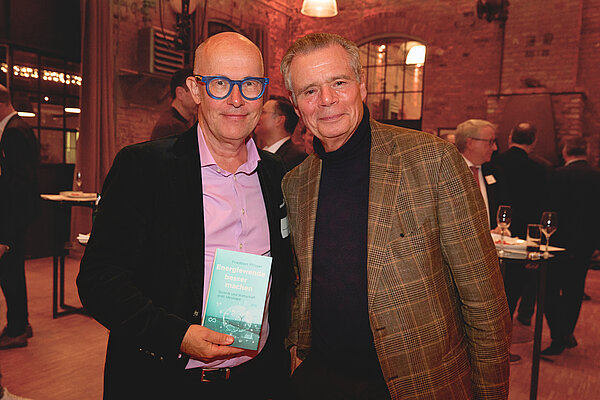
On the day of the conference, BBH partner and lawyer Prof. Dr. Christian Theobald welcomed the guests at EUREF Campus, “a place where more than 150 companies, institutions and start-ups are working towards the future in the areas of energy, mobility and sustainability” and have been committed to achieving the climate targets since 2014. In this inspiring environment, the attendees discussed the question of whether and how climate action, security of supply, financing and the speed of the transformation can be reconciled.
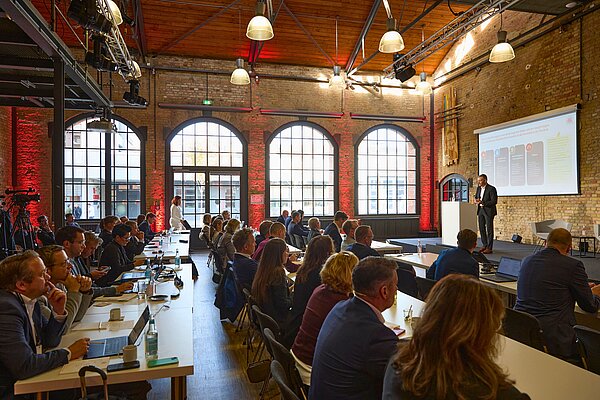
Conference host Prof. Dr. Christian Theobald pointed out that recent geopolitical developments seem to have diverted attention from climate action and stressed the need to keep it high on the political agenda. “Complacency would be ill-advised.” Climate action, he argued, should be approached like a marathon – breaking the journey into manageable stages, just as runners divide the course into achievable segments. The attendees discussed the individual steps and took a closer look at individual projects that have proven successful and those that have not. The objective was to share insights and learn from each other in order to be able to take several steps in one go if possible.
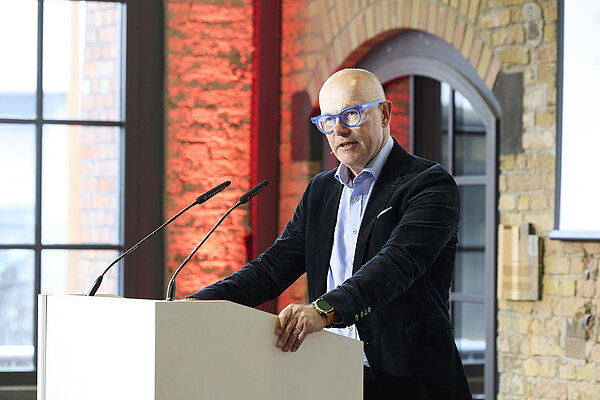
Dr. Christine Wilcken, deputy managing director of the Association of German Cities, delivered the first keynote speech on climate policy from the municipal perspective and the “autumn of reforms”, asking how much regulatory policy was actually necessary for climate action and which framework conditions would allow municipalities to become resilient in the long term. According to her, the situation is dramatic. Very few municipalities have a structurally balanced budget. Municipalities manage “one quarter of all public tasks, yet they are allocated only a seventh of government revenue.” This gap noticeably slows down innovation in climate action and infrastructure. The 100 billion euros from the new special fund have to result in tangible impact within the municipalities. Investment security, transparency and finetuning: a reliable regulatory framework was vital for cities that are to submit a municipal heat plan within eight months.
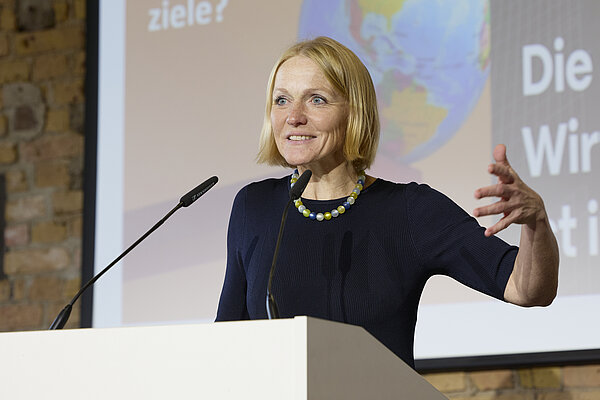
Afterwards, Dr. Felix Matthes, research coordinator at Öko-Institut, clarified that “the energy industry is on the right track”. We were about to enter a new phase, though. “Grid costs will be a key issue in the climate policy debate in the future.” It was not generating capacity but grid-bound infrastructure that was going to be the new hot spot of the energy transition. Instead of operating costs, cost of capital would account for the lion’s share. With regard to the investment backlog to be resolved by 2030, Matthes cautioned that debates should focus more on grid planning, financing and responsiveness. Technological openness would be another important factor. This was the only way to achieve the energy transition at “manageable costs” and with broad public acceptance.
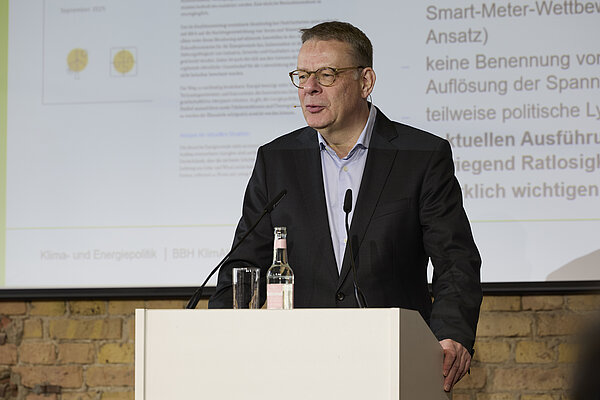
BBH partner Tobias Sengenberger pointed out an aspect that according to him is often disregarded in discussions: the question as to which business model is profitable enough to service debt. The public auditor and tax advisor called on municipal utilities to “start financing the energy transition as long as you are generating profits”. It would also be important to understand how banks approached lending, how investments in renewable energy sources, grids and assets were assessed and which information was relevant to sustainability reporting. Because safeguarding investments was vital. He therefore recommended that municipal utilities talk to their stakeholders and structurally revise their reporting.
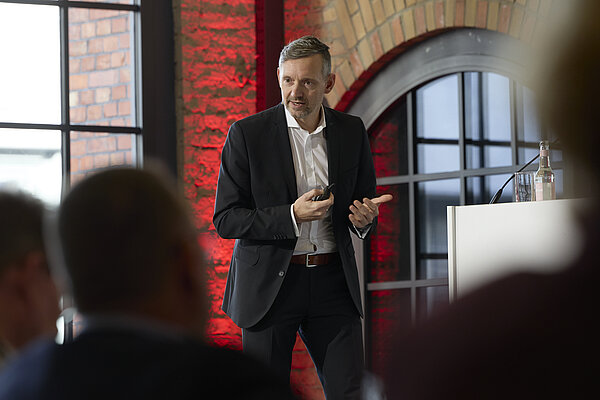
BBH partner Prof. Dr. Olaf Däuper chaired the first panel and plenary discussion, inviting energy suppliers to share their views on the delicate balance between affordability and protecting the climate. Dr. Robert Greb, chairman of the management board of REWAG, stated that in the electricity sector such balance had been achieved. Financing had been structured in a way that was not to the customers’ detriment. He added that now that the costs had “reached the customers’ boiler rooms”, opposition was mounting. To date, a customer-oriented communication was already “a tedious and challenging task”. Even a city like Regensburg with a balanced budget would only be able to rebuild heat networks with funding. If the Building Energy Act (GEG) were to be repealed, the transition would be slowed down, which – combined with the competitiveness of the European industry – would pose a major challenge. Furthermore, measures for adapting to climate change, for example regarding drinking water supply, were becoming increasingly important.
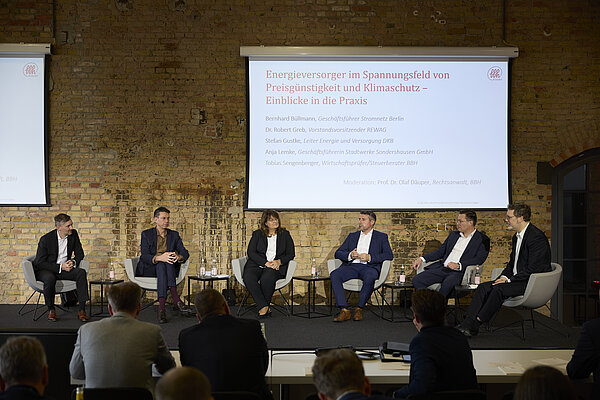
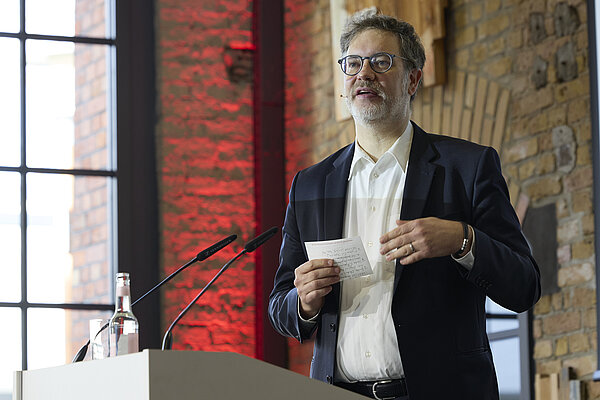
Managing director Anja Lemke is tasked with the conversion of the natural gas-based district heating grid of Stadtwerke Sondershausen GmbH, as is the case with other municipal utility companies. In addition to the investment burden, she referred to the risk of a supply gap. Her advantage is that she has the shareholders on her side. Dr. Robert Greb agreed with her, stating that the city of Regensburg understands that earnings should be retained. Anja Lemke pointed out that in Thuringia, municipal utility companies have a strong network and approach projects such as the drafting of sustainability reports in cooperation with each other.
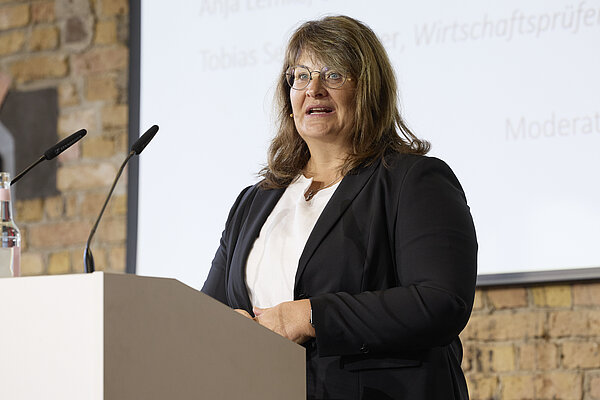
Stefan Gustke, head of the energy and supply department at Deutsche Kreditbank, oversees numerous fantastic projects, but also many that fail to prove profitable. “The success of the energy transition will ultimately depend on the balance sheets of municipal utility companies.” Municipal utility companies would, however, often drive with “the handbrake on” when it comes to financing the transition. According to Gustke, debt capital is not the obstacle, since there is ample investor interest. Reliability and a well-balanced funding framework were important.
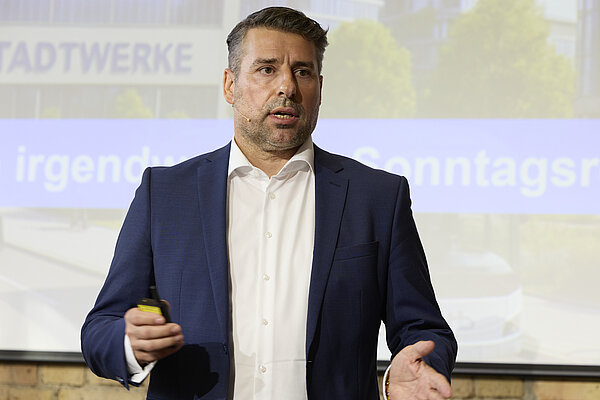
Tobias Sengenberger agreed: “We need a stable political framework that does not change every four years. Otherwise, nobody will start making major investments and reshaping the energy system.” A promising approach would be support by the federal state in the form of public guarantees, as is practice in Hannover. Another option was the collection of private capital, e.g. through citizen participation projects, added Gustke. Bernhard Büllmann, managing director of Stromnetz Berlin GmbH was the only panellist representing a grid operator, but operating electricity lines covering 36,000 km is certainly not an easy job. He explained that the energy transition, mobility transition, decarbonisation and data centres were the main drivers of the electricity grid expansion.
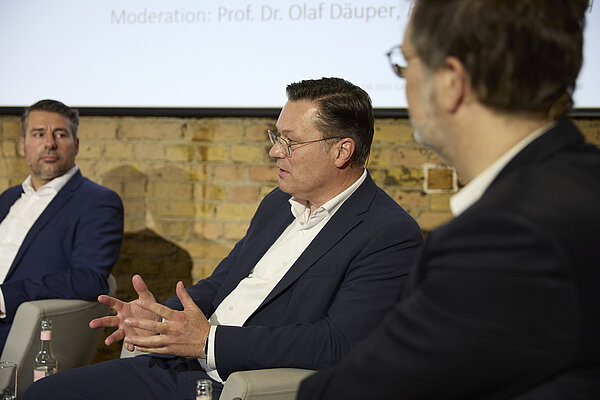
While Dr. Robert Greb emphasised that his company takes one step at a time, Bernhard Büllmann stated that every day counts due to the shortage of material. In the next few years, planning security and financial viability would play a major role. Büllmann believes that affordability and climate action are not contradictory. He finds that Stromnetz Berlin is well positioned thanks to support by the federal state and the banks involved. “Our once-a-year meeting with banks is tried and tested. We take stock of the technical equipment so that financing becomes palpable.” To foster acceptance and citizen participation, projects are presented to a citizens’ council. They are “multipliers, communicating what is close to our hearts”.
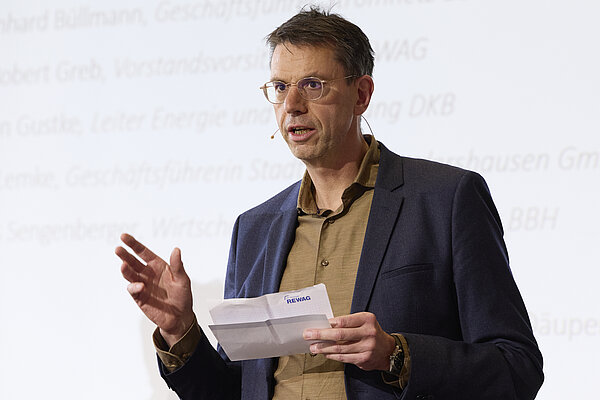
In the afternoon, Berthold Goeke, Director-General at the Federal Ministry for the Environment, Climate Action, Nature Conservation and Nuclear Safety, provided insights into the ministry’s “engine room”. The head of the newly formed department for national and European climate action asked the attendees to bear with the government and ensured them that climate action “remains a key priority for the current federal government”. He presented the new climate action programme and emphasised that it systematically takes into account the social dimension of all measures, which is a first: acceptance, he said, is won when burdens are alleviated, electricity becomes more affordable and funding schemes are socially fair; this “will be the very focus of the programme” and was to provide for “planning security and reliability as soon as possible”. He stressed that “green hydrogen” would have to “become the decisive source of energy on the way to climate neutrality”, particularly for the industry and combined with technologies such as CCS and CCU as well as the circular economy.
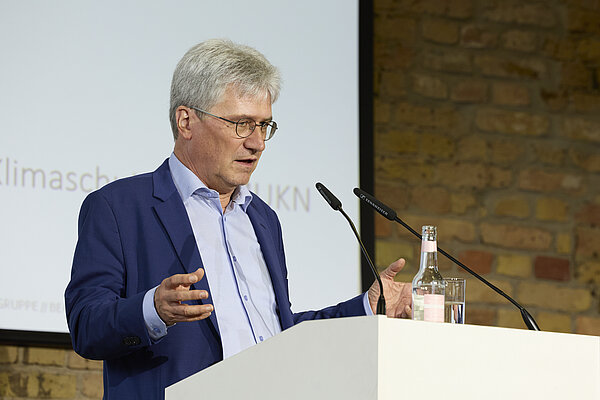
Marco Ohme, managing director of BBH Engineering GmbH, which was established in April 2025, introduced the “most recent addition to the BBH group”. The engineer said the company was a key player in “bridging the planning gap”. He emphasised that within the next ten years, progress comparable to that of the last three decades would have to be achieved and that the energy mix of the future was going to be a combination of different technologies. Heat pumps would “constitute the fundamental technology in the local and district heating network”, as they were perfectly suited for both new and existing networks due to their high technological maturity and scalability. When combined with PV, biomass and geothermal energy, local added value and regional energy self-sufficiency were convincing arguments. He referred to the challenges of regulatory uncertainty, permitting procedures and long planning phases, particularly in densely built-up areas.
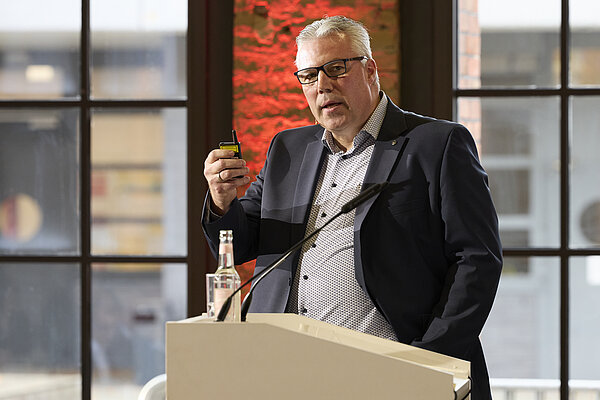
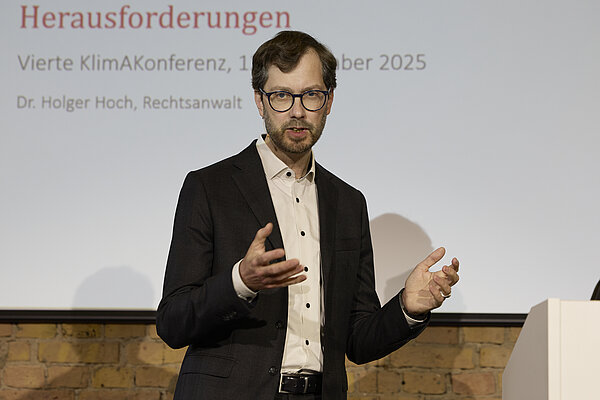
BBH partner counsel and lawyer Dr. Holger Hoch explained that the “municipal utility companies of the future” constitute a response to the challenges of climate change and admitted: “I do not have the crystal ball that all of you need either.” He pointed out that municipal utility companies are in charge of a wide range of tasks as illustrated, for example, by the new gas distribution system development plan (legislative revision of the Energy Industry Act). He observed that at the same time, existing legislation was being tightened, as illustrated by the more binding heat planning. The common goal was to achieve decarbonisation by 2045, its implementation, however, varied considerably. The decisive factor was combining a holistic view of the system with the commercial perspective within the legal framework. He added that the main challenge was to find a viable solution and face the simple but crucial question: “Should I go ahead with it or not?”
The second panel was chaired by BBH partner and engineer Peter Bergmann and consisted of Prof. Dr.-Ing. Kathrin Goldammer, Janice Kaiser, Lars Prahler and Heike Witzel, who discussed how municipal utility companies can manage the heat transition under real operational conditions and what the preconditions for doing so looked like. Heike Witzel, managing director of Stadtwerke Rostock AG, said that the main obstacle was not technology or financing, but the administrative burden: about 100 million euros from the second module of the Federal Funding for Efficient Heat Networks (BEW) programme were creating a high level of pressure in regard to the investment deadline as preparation had been impossible; moreover, an enormous level of bureaucratic red tape had to be dealt with due to the multitude of copies to be provided on paper.
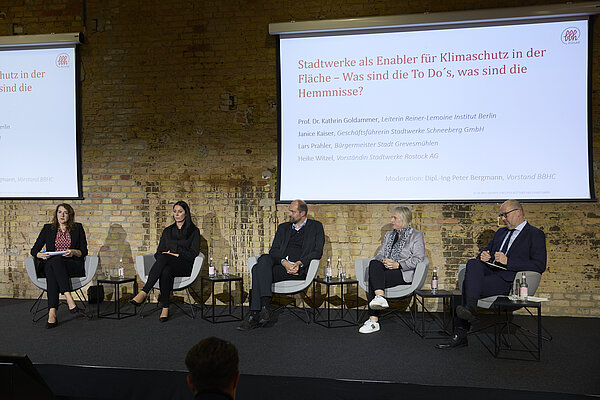
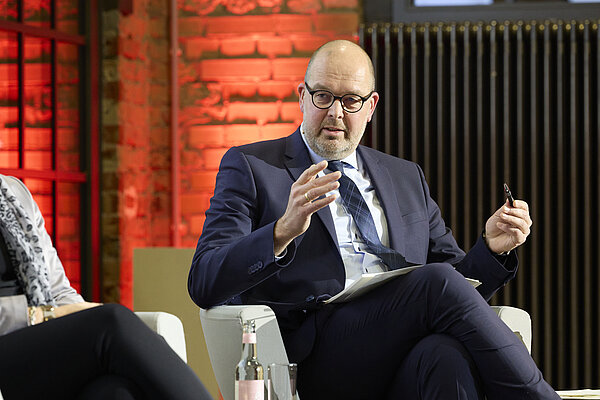
Janice Kaiser, managing director of Stadtwerke Schneeberg GmbH, followed up and emphasised that stable political frameworks were as decisive for small municipal utilities as they are for large ones: “Local municipal utility companies enjoy the trust of the community” but could only keep it “if they are dependable”. Otherwise, long-term investments were not a responsible choice. Schneeberg would thus bank on viable technologies: hydrogen was not an option due to the distance to the core network, while deep geothermal energy might open up new opportunities if the government and the federal states were to provide protection against the risks.
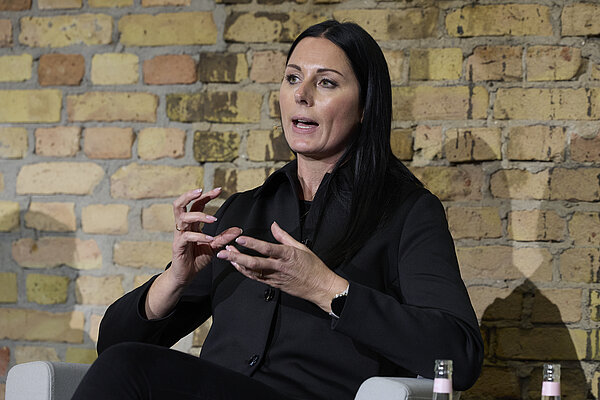
Prof. Dr. Kathrin Goldammer, managing director of the Reiner‑Lemoine‑Institut and honorary professor at Berlin’s University of Applied Sciences (HTW) emphasised that the problem did not consist in technologies, but the available information based on which decisions are made. The potential of technologies and a valid prioritisation could only be determined if comprehensive data on networks, operational resources and infrastructures were available: “If I want to calculate what gas or electricity grids look like in the future, all data points you have will help.”
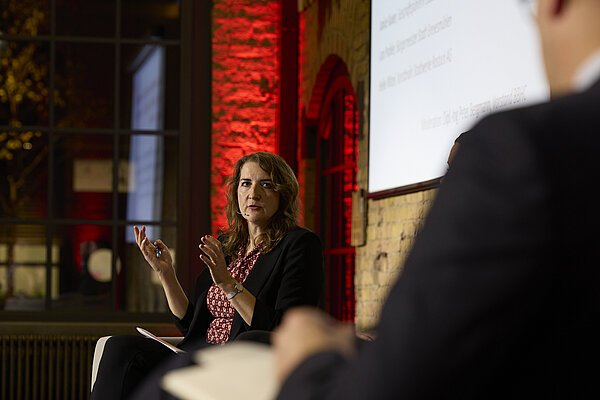
Lars Prahler, major of Grevesmühlen, explained the Northern German town’s long-term approach to the heat transition and presented several projects including Germany’s first wastewater treatment plant that generates surplus energy by treating sludge, the town’s comprehensive LED lighting renovation, smart home pilot projects as well as municipal wind energy installations, PV systems and biogas plants. He made clear that this development had only been possible because “many different parties have been collaborating on finding tailor-made solutions since 2003” in Grevesmühlen. For Prahler, the recipe for success is the local network of all relevant players as the “collaborative basis of all of the town’s major decision-makers”.
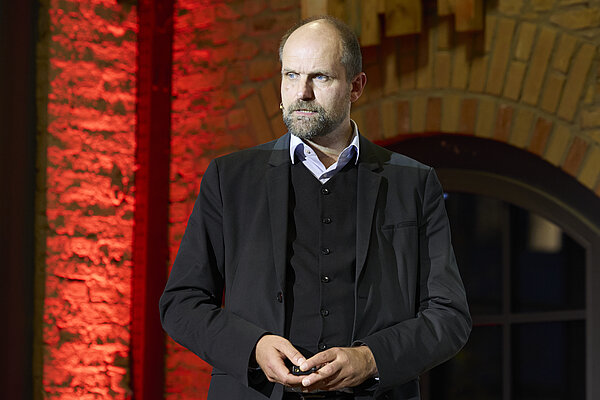
Özden Terli, weatherman and news editor of Germany’s public service broadcaster ZDF, rounded off the afternoon session with an elaborately illustrated presentation of the advancing climate change, emphasising the resulting need for action in regard to the energy and heat transition. He pointed out that the European Court of Human Rights recognised the effective protection from adverse effects of climate change as a human right and thus bindingly addressed the realm of politics and society alike. Terli made clear that the strategy of cutting back fossil fuels does not suffice any longer; the climate crisis could only be avoided by entirely abandoning the use of fossil fuels: “We have to transition away from fossil fuels altogether. We must no longer burn coal, oil and natural gas.”
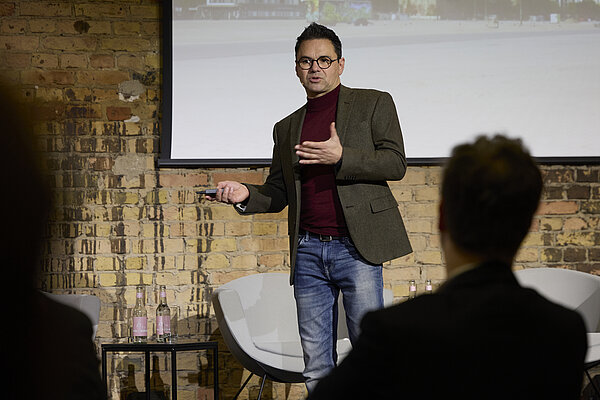
After a packed conference day filled with specialist contributions and discussions, Prof. Dr. Christian Theobald summed up the conference and put the day’s message in a nutshell: “Reliability, public acceptance and collaboration are the basis for a successful heat transition.” He addressed all active participants thanking them for their contributions and the lively atmosphere of the day and invited the attendees to join him in the sky lounge of the Gasometer.
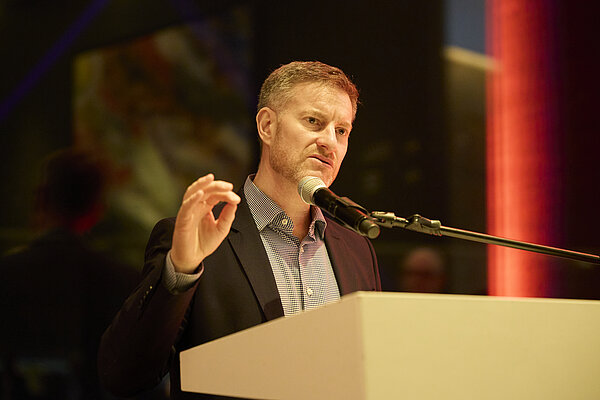
In his dinner speech, Dr. Kai Roger Lobo, director of the energy industry department of the German Association of Local Public Utilities, summed up the points discussed and concluded: “In essence, climate goals are investment goals. The driver for progress is technology. If we fail to invest, we will not achieve the final percentages closing the gap to achieving the climate goals. We do, however, give the impression that we could go the entire way by exclusively relying on governance frameworks.”
Contact:
KlimAK
Prof. Dr. Christian Theobald
Rechtsanwalt, Partner
Tel +49(0)30 611 28 40 - 113
christian.theobald@bbh-online.de
Prof. Dr. Ines Zenke
Rechtsanwältin, Partnerin
Tel +49 (0)30 611 28 40 - 179
ines.zenke@bbh-online.de
Prof. Dr. Olaf Däuper
Rechtsanwalt, Partner
Tel +49(0)30 611 28 40 - 15
olaf.daeuper@bbh-online.de
Dipl.-Ing. Peter Bergmann
Vorstand BBH Consulting AG
Tel +49 (0)30 611 28 40 - 919
peter.bergmann@bbh-beratung.de
Visit the BBH group online at www.die-bbh-gruppe.de, www.bbh-blog.de or instagram.com/die_bbh_gruppe.