
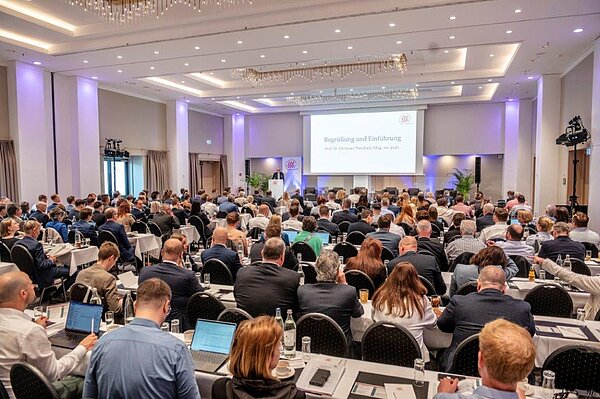
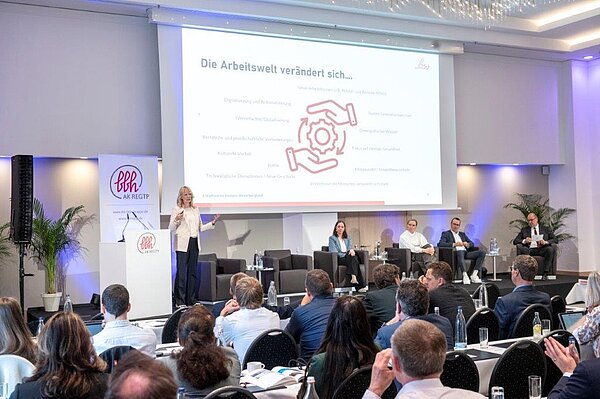
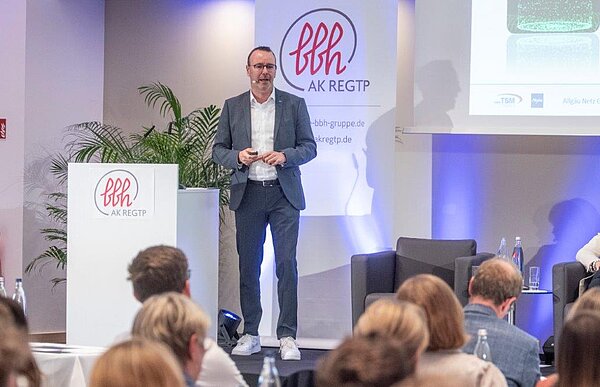
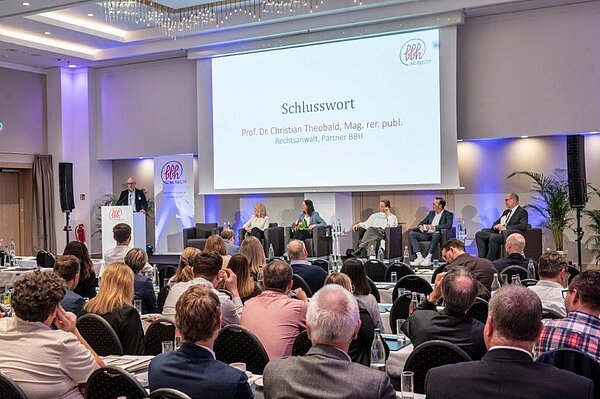
The 20th regulatory conference of the AK REGTP took place on 19 May 2026 in Berlin. The event titled “Regulation today and tomorrow” brought together around 300 representatives of the grid sector at Berlin’s Alexanderplatz.
“Regulation today and tomorrow”: review of the 20th regulatory conference of the AK REGTP
Die 20. Regulierungskonferenz des AK REGTP fand am 19. Mai 2026 in Berlin statt. Unter dem Motto „Gegenwart und Zukunft der Regulierung“ kamen rund 300 Vertreter:innen der Netzwirtschaft am Alexanderplatz zusammen.
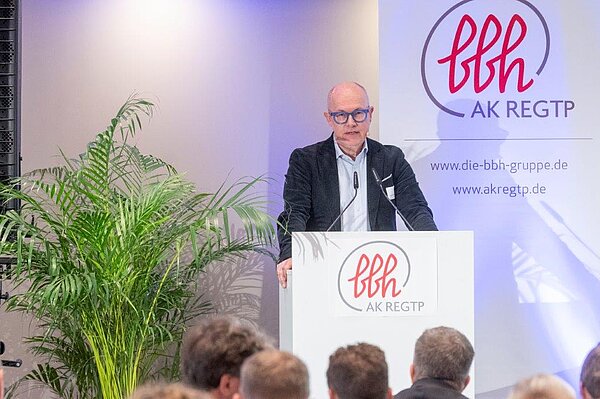
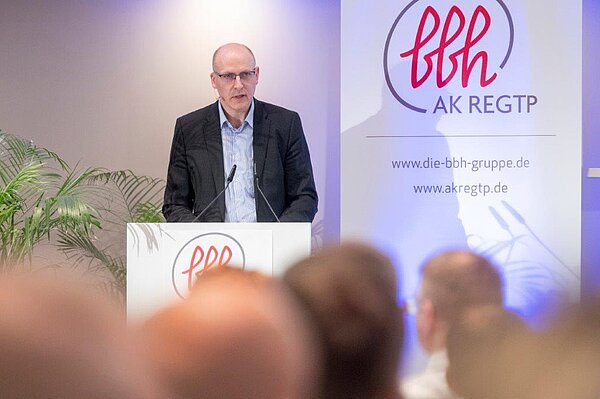
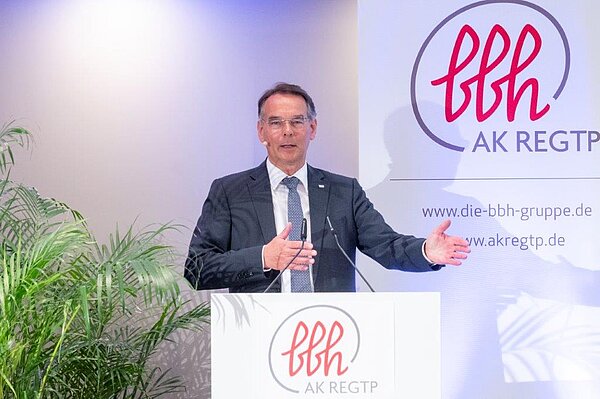
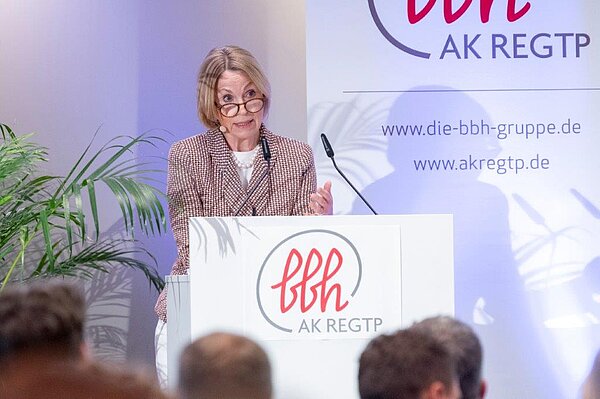
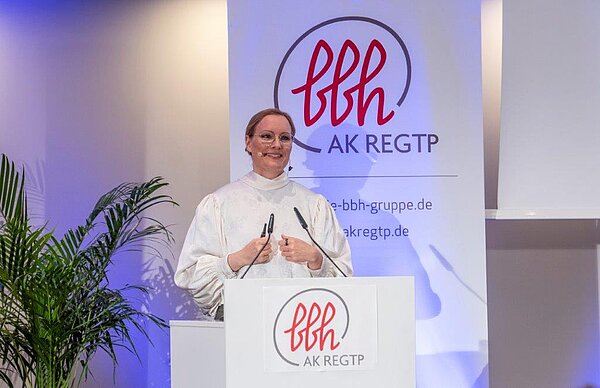
“The first regulatory conference took place 20 years ago at Berlin’s Auferstehungskirche. The tasks today are different, but not smaller.” With these words, BBH partner and lawyer Prof. Dr. Christian Theobald opened the first half of the day that featured keynotes from Stefan Albrecht, Ingbert Liebing and Anne-Christin Frister.
Stefan Albrecht, head of the electricity grid charges department at the Federal Network Agency (Bundesnetzagentur) reported on the transformation of the regulatory framework and the “AgNes” process for determining the future electricity grid charges system. “The system of grid charges which has been in place virtually unchanged for 20 years needs to be redesigned. It is no longer facing up to the challenges of today.” Rising grid, redispatch and grid expansion costs are to be attributed more fairly to the parties causing the costs as part of the revised system of grid charges.
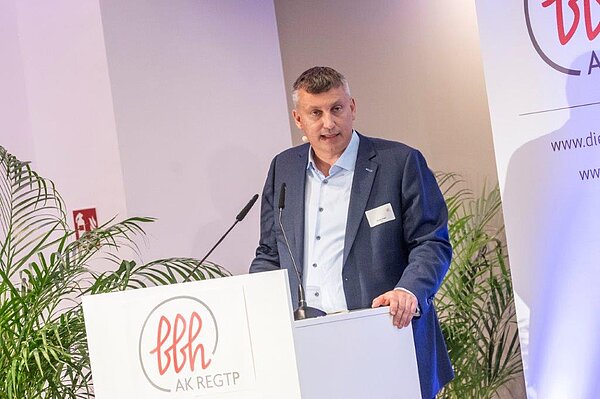
Ingbert Liebing, Director General of the German Association of Local Public Utilities (VKU), emphasised that the situation for grid operators remains demanding. “We are in the midst of the process, and the rules of the game are constantly changing.” The positive approaches of the Federal Network Agency were not sufficient to solve structural problems. Liebig stated that the VKU generally assessed the grid access package of the Federal Ministry for Economic Affairs and Energy to be adequate, but cautioned against collateral effects of the redispatch reservation that jeopardised the financial viability of expansion projects. Ingbert Liebig’s appeal: “Distribution system operators are not the bottleneck, but the catalysts for the energy transition.”
Anne-Christin Frister, presiding judge of the 3rd Cartel Panel at the Higher Regional Court (OLG) of Düsseldorf ruling on the complaint procedures against the NEST determinations of the Federal Network Agency that are aimed at transforming grids in an efficient and safe manner, commented on the expectations regarding the court’s ruling and emphasised that the flood of complaints against NEST is placing intense demands not only on the Cartel Panel. “The complaints are extensive and complex, often comprising individual questions and points of criticism.” In order to manage the enormous workload, procedures were also being transferred to other panels. Nevertheless, Frister assured the audience that the Higher Regional Court will be able to issue decisions at the usual level of detail.
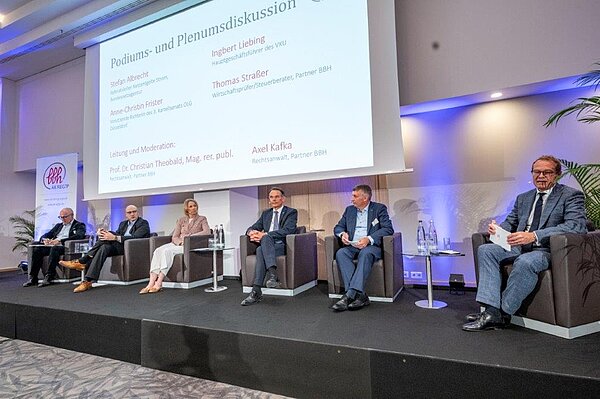
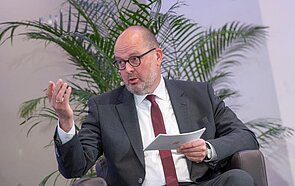
Panellist, BBH partner, public auditor and tax advisor Thomas Straßer kicked off the first panel discussion with the trenchant statement that he was looking for the “light at the end of the regulatory tunnel” amidst the current situation. For him, the key question was whether the new regulatory framework will ensure the investment capacity of infrastructure companies and enable them to operate their networks effectively in challenging times.
BBH partner and lawyer Axel Kafka moderated the subsequent discussion in which four panellists delved into a range of current and controversial topics relating to the current process of transforming the regulatory framework.
Stefan Albrecht returned once again to the criticism regarding the large number of individual determinations in the NEST process, stating that this was “due to the transformation process”. It would “slow down the process when the particulars were only integrated in a few determinations.”
Anne-Christin Frister addressed the vast number of NEST complaints (more than 700). With sec. 75 subs. 3a of the German Administrative Procedure Act (VwVfG), the legislator had expressly sought to prevent “a large number of grid operators from having to file eight complaints”. As regards the work of the Cartel Panel, there was “no reason to panic”, despite the heavy workload, “we will manage”.
Ingbert Liebing was asked about the Germany Fund and emphasised that it was all about strengthening the equity position of the companies to increase their credit standing – “a tedious discussion”. The federal, state and local level would have to share the responsibility.
Axel Kafka pointed out that the profitability of grid operators depends not only on the rates of return on equity – which is often regarded to be the central issue – but also on the increased demands for efficiency and other options for cutting costs related to the NEST determinations. “Companies need to be profitable enough to meet the challenges of the energy transition relating to the electricity and gas grid.”
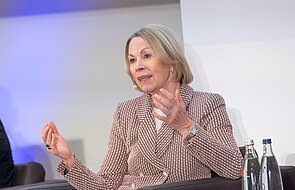
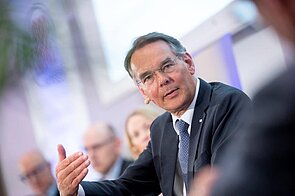
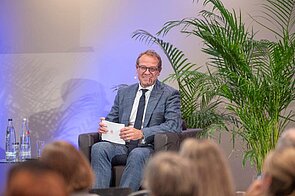
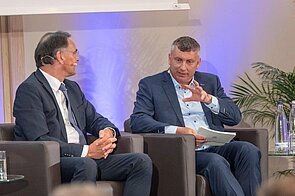
After intensive debates in the morning, BBH partner and lawyer Prof. Dr. Olaf Däuper briefed the participants on the role of the gas grids in the future energy system and the course the new Energy Industry Act for Gas sets for the heat transition. “The distribution system development plan will be a central strategic instrument for transforming the heat sector. The gas grid operators’ business decisions will determine whether and when grids are converted or decommissioned.”
Der Blick nach vorne
The afternoon of the regulatory conference focused on the study “Verteilnetzbetreiber 2045” (DSOs in 2045), which has been specifically carried out for the regulatory working group AK REGTP.
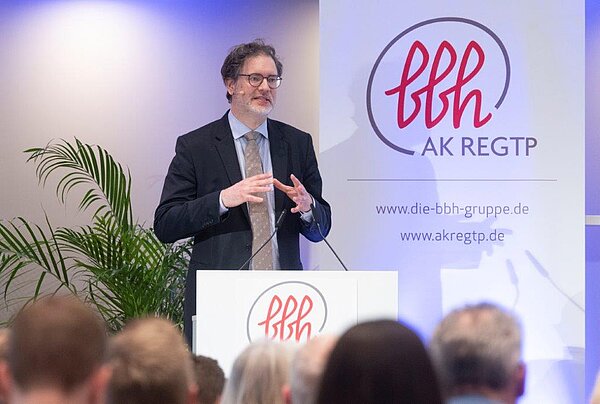
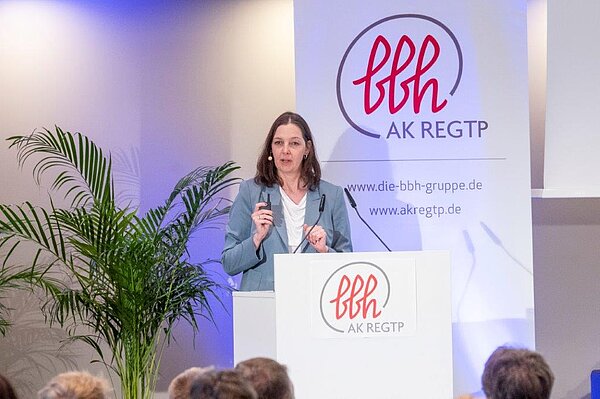
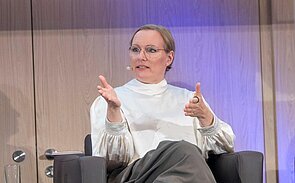
Prof. Dr. Dr. Tanja Manuela Kneiske, head of technology and integrated energy infrastructure management at Fraunhofer IEG[AD1] , started by presenting scenarios for the energy system in 2045. Casting an eye to the future, she addressed demand forecasts, sector coupling, integrated grid planning and the increasingly important role of artificial intelligence. “The biggest change is not the energy system itself, but how we plan it.” Thanks to multi-agent systems, scenarios such as ongoing geopolitical crises or extreme weather events could be simulated to optimise electricity and heat supply and “hopefully reach our 2045 target”.
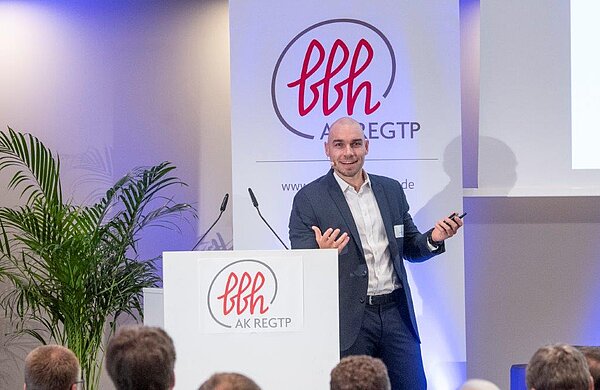
Next in line was Hannes Sauter, partner counsel at BBH Consulting, who presented the study on distribution system operators in 2045 which is based on two surveys covering a total of 68 municipal utility companies. The study clearly shows that the sector is looking ahead with confidence. Clearly defined roles, reliable data and targeted training will allow distribution system operators to take an active role in shaping the transformation. The grids will still be operated and managed at local level. This is where synergies lie and value is created. AI will assist in this operation, but not replace it. It will be vital to develop a clear vision of the target organisation early on, to align internal data structures with it and to equip employees with the skills needed to meet the new requirements.
Podiumsdiskussion „Verteilnetzbetreiber 2045“
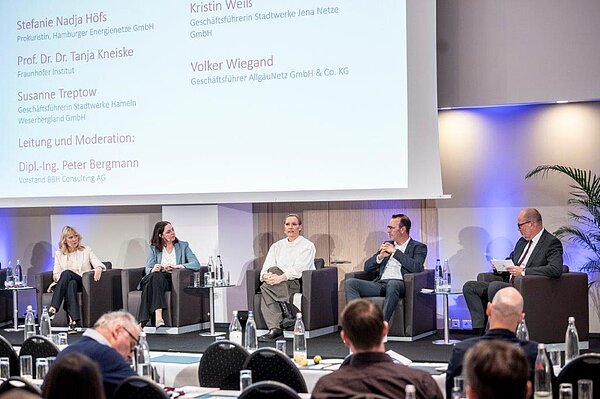
Panel discussion on the study “Verteilnetzbetreiber 2045” (DSOs in 2045)
In the ensuing panel discussion moderated by BBH partner and BBHC board member Peter Bergmann, representatives of the municipal utility companies of Hamburg, Hameln and the Allgäu region as well as Prof. Dr. Dr. Tanja Manuela Kneiske reviewed the respective status quo, improved processes, the development of human resources and AI deployment.
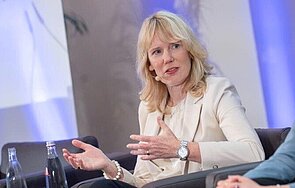
Stefanie Nadja Höfs, manager with general commercial power of attorney (Prokuristin) at Hamburg’s energy grid operator Hamburger Energienetze GmbH stated that Hamburg is facing a cost-intensive grid development process in light of the city’s climate neutrality target of 2040. She identified the development of a hydrogen grid as the most important step in this context. The intended merger of the gas and electricity grid segments is to leverage efficiencies. End-to-end processes were banked on to “break out of silos”. “We will automate and digitalise whatever can be automated and digitalised.”
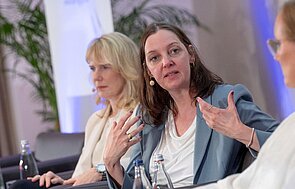
Susanne Treptow reported that the municipal utility company Stadtwerke Hameln Weserbergland had improved its profitability by reinforcing its grid operation workforce. For the managing director, “a strong team is the most valuable asset of an infrastructure service provider.” To protect this strength in the long run, the municipal utility company launched the project “Neue Arbeit – Neues Wir” (new work – new us), focusing on meaningful work, mental health and the integration of AI.
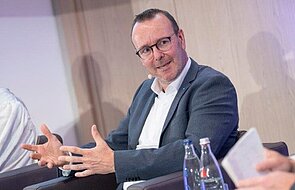
Volker Wiegand, managing director of the grid operator AllgäuNetz, threw light on the handling of heavily oversubscribed grid connection requests for large-scale storage facilities. According to him, a structured process ensures non-discriminatory grid connections. A key challenge also in the Allgäu was to establish an integrated IT system for continuous grid control. AI would assist in this context in the future – “we will prioritise and proceed step by step.”
Prof. Dr. Dr. Tanja Manuela Kneiske once again emphasised that generative dialogue-based AI is the next step in the digital transformation. This meant that the human factor and new job profiles would become even more central. Qualified specialists would have to be trained, supported and valued. It would be critical to reassure staff that AI will not replace them.
Prof. Dr. Christian Theobald bade farewell to the guests quoting Thomas Straßer: “We will only see light at the end of the tunnel if the new regulatory framework does not only limit costs, but also mobilises capital for investments in the transformation phase.” He added that this was something that could be discussed in more detail aboard the “MS Spreekrone”, to which he invited the guests for an open-minded exchange at the end of a long conference day.