
“RESILIENT INFRASTRUCTURES – INFRASTRUCTURAL RESILIENCE”: PARLIAMENTARY EVENING 2025

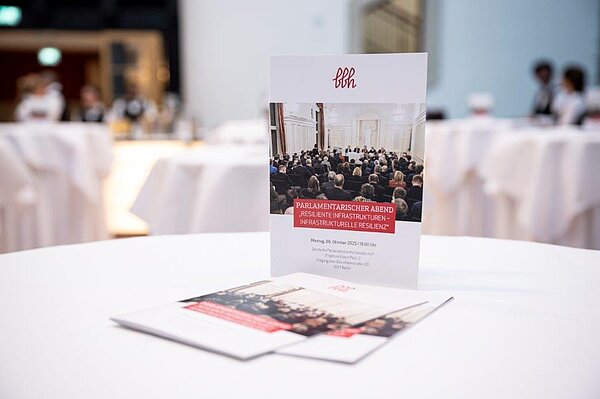
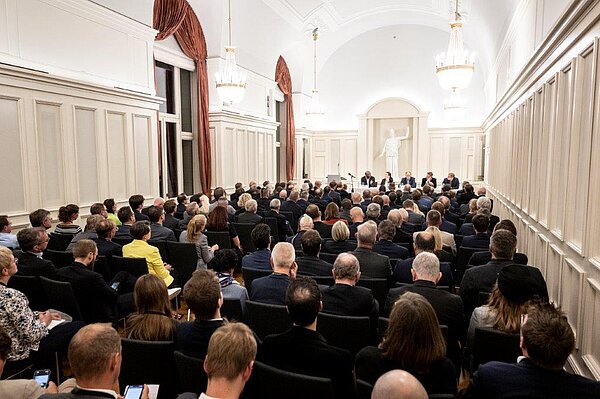
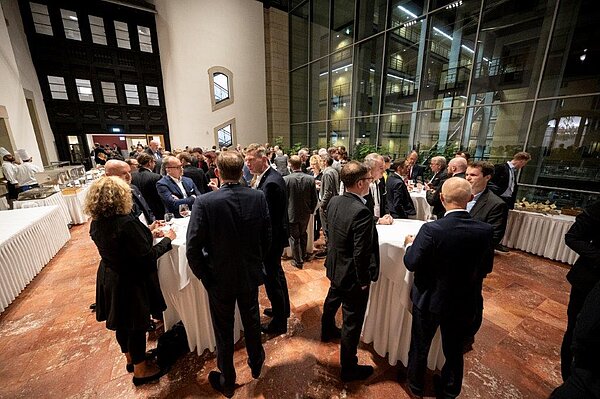
The BBH group regularly hosts parliamentary evenings to promote dialogue between policymakers and businesses. This year’s event focused on the status quo of our infrastructure, the challenges and solutions regarding its maintenance, modernisation and security. Members of the German Bundestag, decision-makers from the world of business and industry associations gathered in the Kaisersaal of the German Parliamentary Society to discuss this very topic.

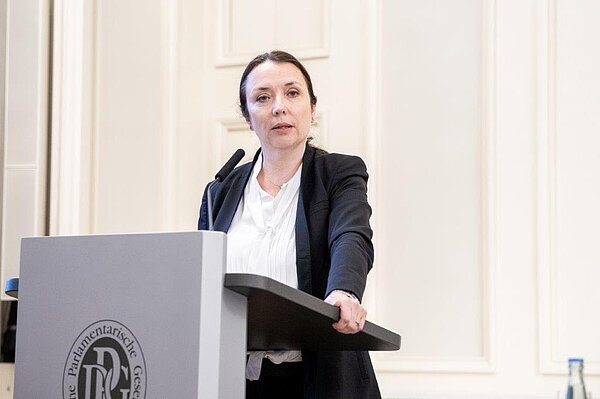
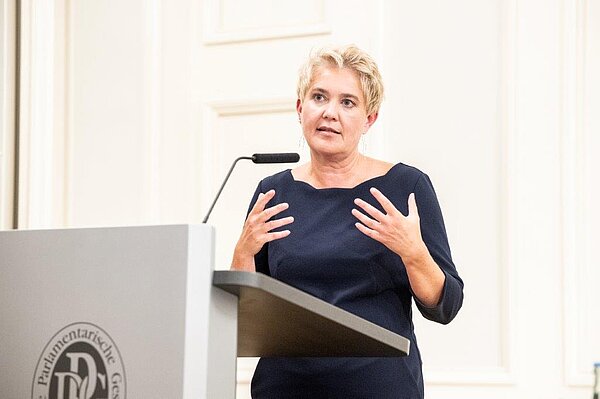
BBH-Partnerin und Rechtsanwältin Prof. Dr. Ines Zenke begrüßte die über 250 Gäste, auch jene, die wegen eines Ausfalles von Infrastrukturen später kamen und nutzte dies als Eröffnung des Abends: „So lange Infrastruktur funktioniert, nehmen wir sie als selbstverständlich.“ Und klar ist auch „Der Aufbau resilienter Infrastrukturen, das ist wichtige Wirtschaftspolitik. Durch resiliente Infrastrukturen schaffen wir das Fundament für eine erfolgreiche Transformation. Und schließlich hilft eine funktionsfähige lokale Infrastruktur, Vertrauen in die politische Gestaltungskraft und demokratische Prozesse zu stärken.“

Wie wir in Deutschland in die Umsetzung kommen, um starke Infrastrukturen zu erhalten, zu schaffen und zu schützen und wie das finanziert werden soll, darüber wurde an diesem Abend gesprochen.

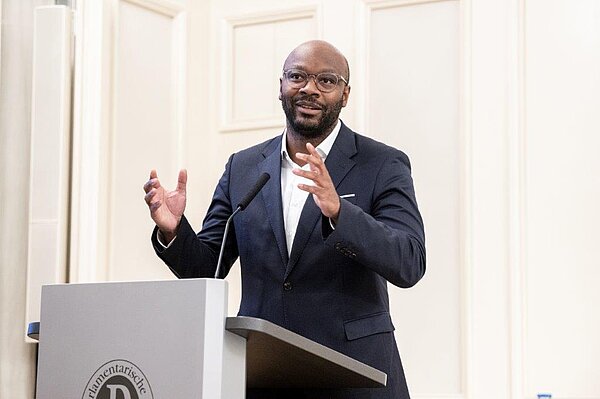
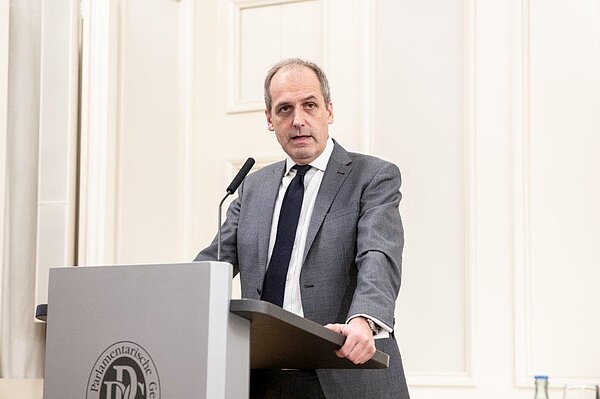
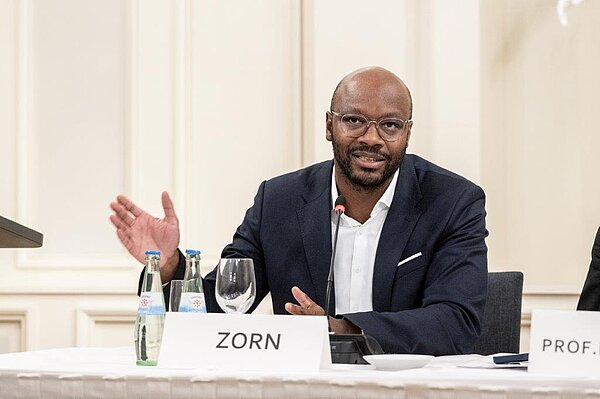
Member of the Bundestag (MdB) Armand Zorn, under whose auspices the parliamentary evening was held, emphasised in his welcoming words that a functioning infrastructure is not just a technical issue, but also ensures justice, economic strength and prosperity. He also highlighted that, thanks to its strong infrastructure, Germany had succeeded in achieving economic prosperity as a small country and becoming a partner in international discussions. “There is one thing that unites political parties: responsibility for the country and the future, and that is only possible with a sound infrastructure.”

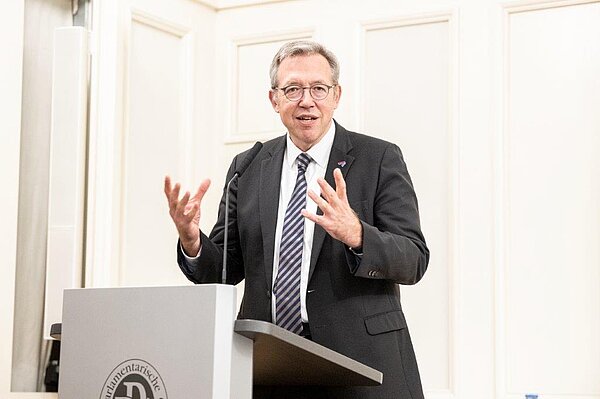
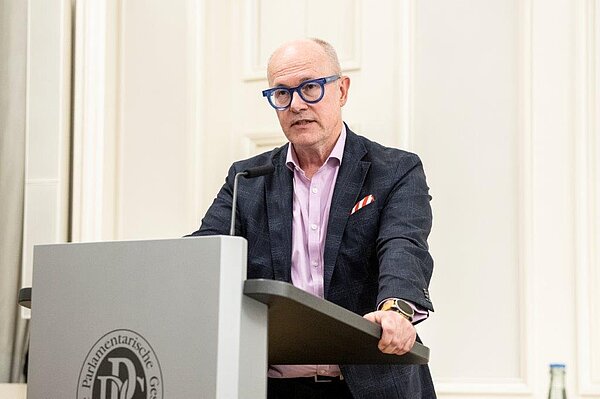
With the statement that he “had to be the bearer of bad news, but did not want to destroy all hope,” Director-General Dr. Alexander Götz began his keynote speech with an update on the current security situation. He assessed it as moderate, with a significant risk of Germany becoming a target of hostile activities. The head of the infrastructure, environmental protection and services department (IUD) at the Federal Ministry of Defence emphasised that a strong infrastructure contributes to the defence capabilities of Germany and the NATO alliance. He outlined, among others, the German Armed Forces’ (Bundeswehr) resilience strategy for the energy sector, its focus on renewable energy sources – also for reasons of self-reliance – and the importance of partnerships with technical experts.

Corinna Enders, German Energy Agency (dena), then spoke about the protection of energy systems in a hybrid threat situation and transformation as a unique opportunity to increase resilience. Following a cyberattack in 2018, dena drew important conclusions regarding its own resilience. dena’s CEO emphasised how important it is to always consider cybersecurity and physical protection together and along the entire supply chain. “Standards [such as the NIS2 and the CER Directive] provide guidance, but resilience comes from action.” In her opinion, this would involve striking a balance between security and economic efficiency. She called on companies to foster exchange.

Dr. Christoph Müller of the transmission system operator Amprion GmbH emphasised that, in global comparison, Germany is very well positioned when it comes to high demands on security of supply. Amprion’s CEO places particular importance on responsible communication. According to him, security of supply is far too important “to be used to stir up sentiment” and is “probably the real location factor”. The “n-1 principle”, a good operating team and mutual support were important, as the flooding in the Ahr valley had shown. In order to be better prepared for extreme weather events, he therefore called for strong links and a functioning network between infrastructures and organisations.

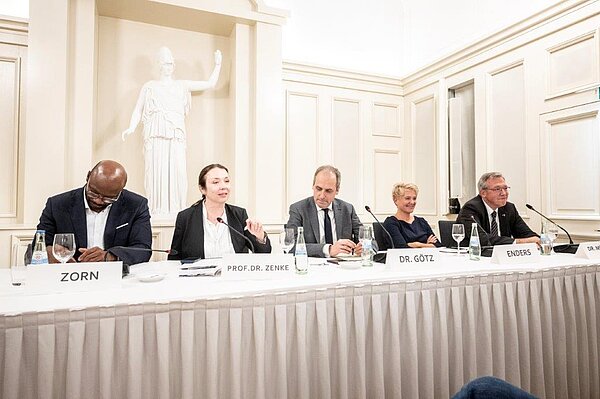
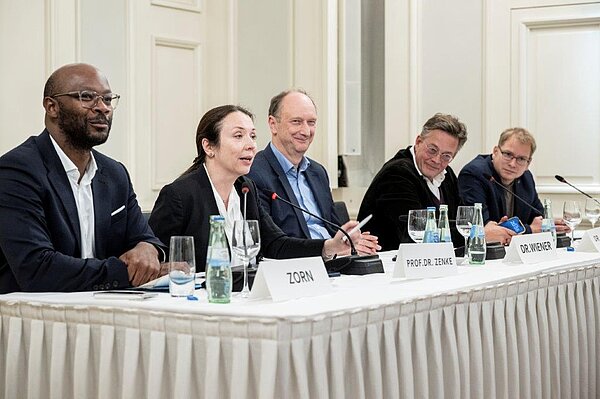
The political panellists then discussed how a resilient infrastructure can be guaranteed.

MdB Armand Zorn stated that the situation was tense, but that there was reason for optimism. He was aware of the fact that the umbrella act for critical infrastructure protection (KRITIS-Dachgesetz) constituted an additional burden for many companies and promised that it would be introduced with minimal bureaucracy. According to him, the task of policymakers was to “reap the fruits of the idea, but also to let the businesses do their job.”

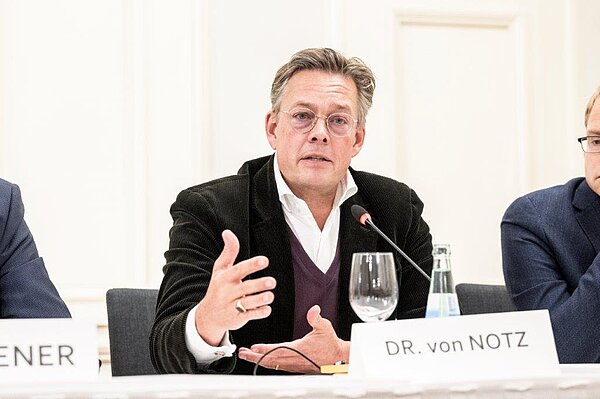
MdB Dr. Konstantin von Notz admitted that “we have been too weary” and in the past few years too little had been done to be better prepared for dealing with hybrid threats or extreme weather events. The umbrella act for critical infrastructure protection came rather late. According to von Notz, there is a need for uniform standards and common measures. He called for IT and plant security requirements that apply to companies and public authorities alike.

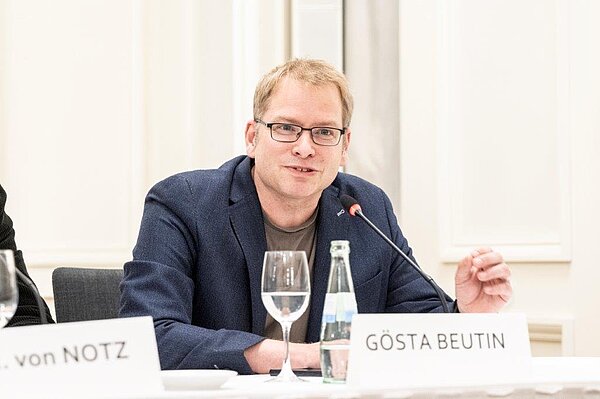
MdB Lorenz Gösta Beutin welcomed a uniform standard stating that he had been raising this issue at an earlier stage. He also called for the expansion of renewable energy sources to link climate action with security and criticised the high level of dependence associated with the expansion of the gas infrastructure as baseload technology.

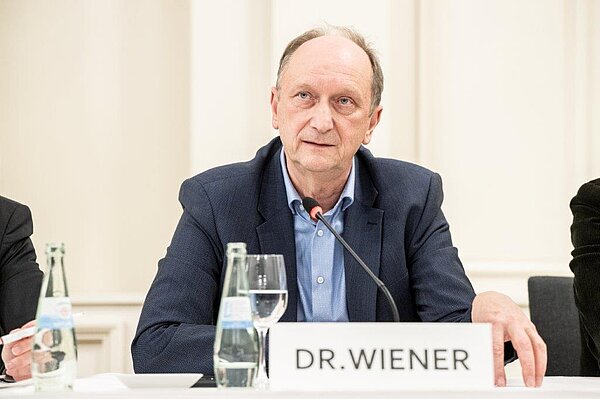
When asked by Prof. Dr. Ines Zenke on behalf of the attendees whether the federal government had been too inactive and what had been going on in the first 150 days, MdB Dr. Klaus Wiener replied: “A lot!” He went on listing the amendment to the Basic Law, the strengthening of the German armed forces as a game changer, the special fund and the revision of business tax as provided for in the coalition agreement. 15 pieces of legislation were in the making. BBH partner Ines Zenke followed up with the question when “the real cut in red tape can be expected”. MdB Armand Zorn talked about the pressure that had been building in recent years and how the government had launched many things at great speed. 

In the ensuing round of questions, the guests pointed out the fact that we are in an unusual situation. In addition to issues such as financing and affordability, the topics raised were a greater speed of action and collaboration in threatening situations. Ralph Beisel, managing director of the German Airports Association ADV, for example, asked why defence against drones was taking so long and why policymakers were seeking so little exchange with the industry.

In his closing remarks, MdB Armand Zorn spoke about optimism in a challenging situation and an enthusiasm for the future. In his opinion, joining hands was a necessity. “We would be well advised to join forces in favour of not only Germany but also the European Union. Policymakers are prepared to do so.”

In the end, the parliamentarians agreed that trust in policymakers, including the energy and economic policy, and collaboration with the realms of business and the academia have to be strengthened. “Resilient infrastructures constitute an integral part of sound economic policy,” concluded Prof. Dr. Ines Zenke and gave the floor to BBH partner and lawyer Prof. Dr. Christian Theobald, who rounded off the discussion by summing up the challenges and to-dos. He once again emphasised the advantages of an open society as opposed to autocratic systems, which are increasingly surrounding us, both externally and internally. Objectives like security of supply and affordability will remain key for all physical and digital infrastructures.” The BBH group was an advocate for that.

With more than 700 employees, 7,000 clients and 7 offices, the BBH group is a leading provider of advisory services to energy and infrastructure companies and their customers. Energy and supply companies, particularly public utilities, municipalities and local authorities, industrial companies and international groups are among its core clients. The BBH group assists these and many other companies and organisations with legal, business and strategic advice.

Contact:
Prof. Dr. Ines Zenke
Rechtsanwältin/Lawyer, Partner
Phone +49 (0)30 611 28 40-179
ines.zenke@bbh-online.de

Visit the BBH group online at www.die-bbh-gruppe.de www.bbh-blog.de, x.com/BBH_online or instagram.com/die_bbh_gruppe.

Insightful keynotes and an intense panel discussion addressed issues such as the German economy, hybrid threats, the umbrella act for critical infrastructure protection, transformation, security of supply, affordability and cutting red tape, but first and foremost trust and joining hands.

BBH partner and lawyer Prof. Dr. Ines Zenke welcomed over 250 guests, including those who arrived late due to an infrastructure failure, and incorporated this dilemma into the opening speech of the evening: “As long as infrastructure works, we take it for granted.” She also pointed out: “Building resilient infrastructures is an important part of Germany’s economic policy. By creating resilient infrastructures, we lay the foundation for a successful transformation. Last but not least, a functioning local infrastructure also helps to strengthen trust in the political will and democratic processes.”

At this year’s parliamentary evening, the participants discussed how we in Germany can delve into implementing measures to maintain, create and protect strong infrastructures, and how this endeavour should be financed.en.